Featured
Cartmell Shepherd responds to the Autumn Budget 2025
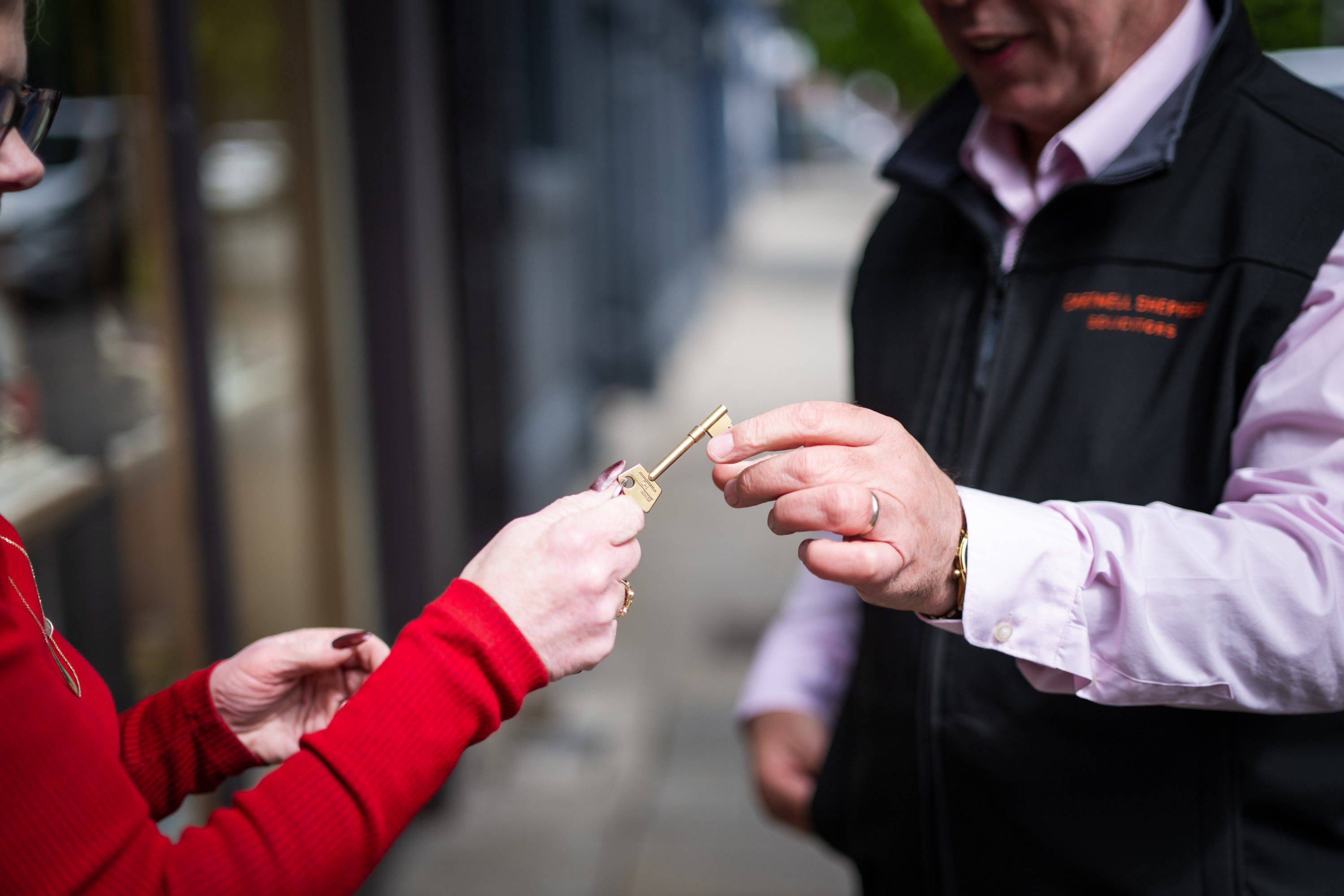
Our lawyers know all about business buildings, which lets our clients focus more on building businesses.
Whether it’s retail spaces or industrial units, offices or farm premises, dealing with commercial property demands a particular skillset. Thankfully, Cartmell Shepherd’s dedicated solicitors combine a sharp understanding of property market dynamics with invaluable local knowledge. We act for a wide range of clients, from companies large and small, who all benefit from the same approach – a professional, personalised service that always delivers regular contact, astute advice and swift property deals.
It is important that you make a will to ensure that your estate (money, property and possessions) is distributed in the way you wish it to be, when you die. If you die without a will, there are rules which dictate how your estate will be distributed. For example, unmarried partners cannot inherit from one another without a will. This could leave your partner with major financial difficulties.
You can write your will yourself, however it is generally advisable to use a solicitor to ensure your will has the effect you intend it to. It is easy to make mistakes during the process of drawing up your will and if there are error, this can cause issues after your death. Of the question is a draft will valid in the UK – for a will to be valid, it must meet the following requirements under the Wills Act 1837:
• It must be in writing.
• It must be signed by the testator (the person making the will) or by someone else in their presence and at their direction.
• The testator must intend for the signature to give effect to the will.
• The will must be signed in the presence of two witnesses, who must also sign the will in the presence of the testator.
The executor is the person named in a will as responsible for taking care of the deceased’s estate.
Probate is the legal process of dealing with someone’s estate when the die. Being granted probate means you can lawfully manage their estate. You will need to apply for probate if you are a named executor on the deceased’s will. The executor or administrator is not required to apply for probate but if they do not, they will not be able to transfer the title of any assets that exist in the deceased’s name.
Need help?
Request a callback
To arrange a call back, enter your details in the form and we’ll be in touch as soon as we can.